
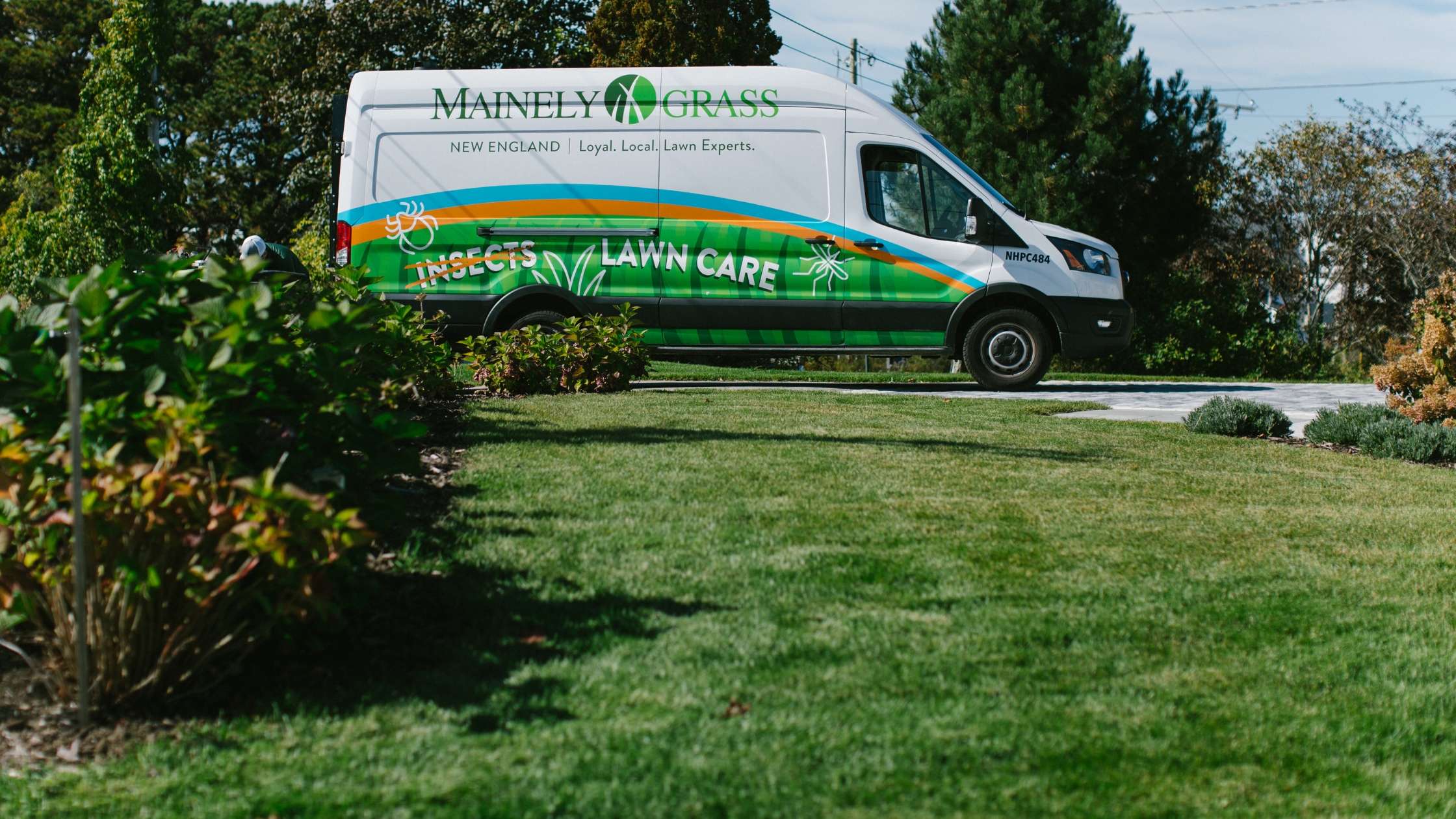
Why a Thick Lawn Is Your Best Defense Against Weeds
Every August, our technicians begin noticing the same thing.
Every August, our technicians begin noticing the same thing.
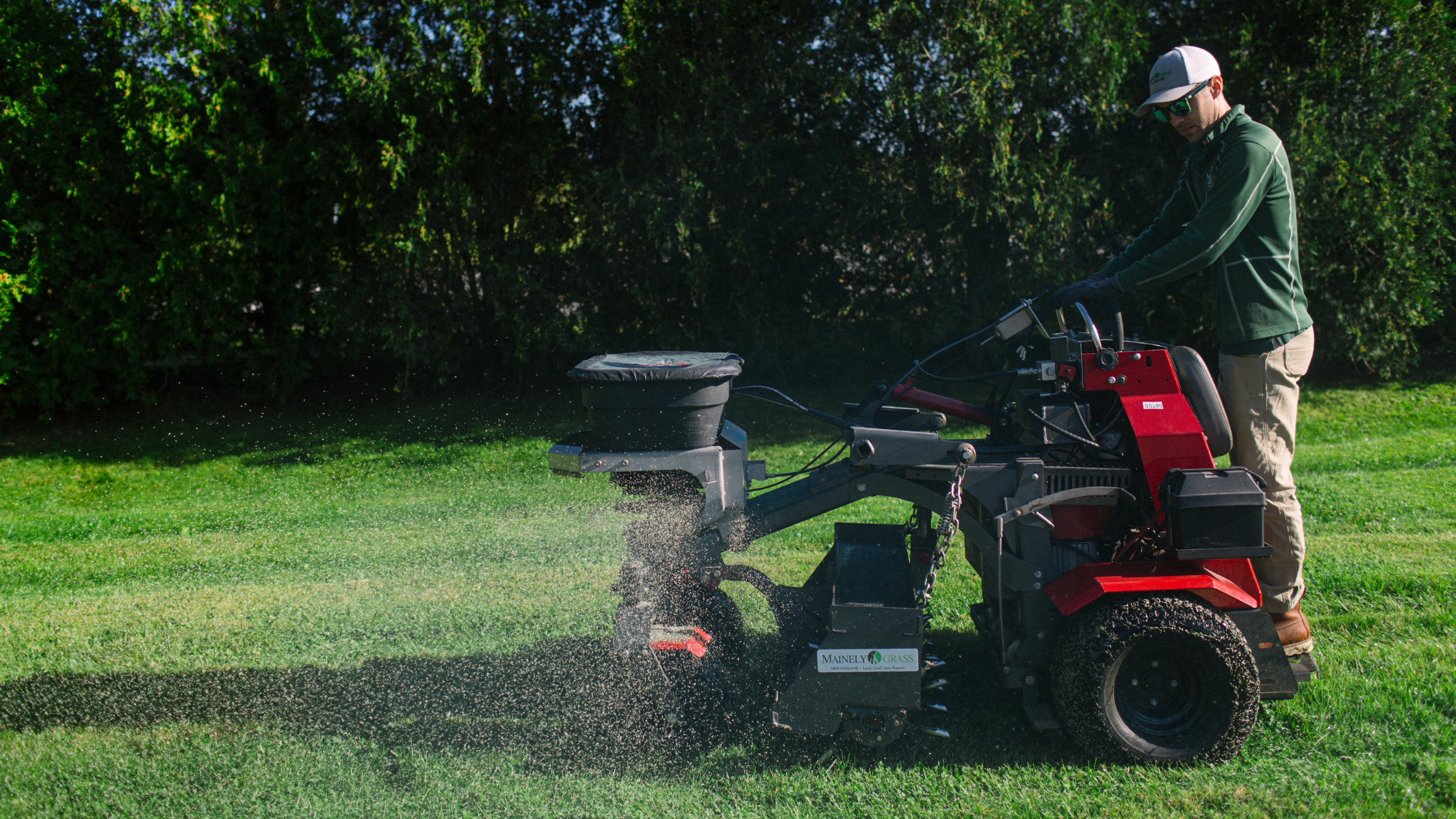
If your lawn isn't looking quite as full as it did in the spring, you're not alone.

When my wife and I switched our own lawn to organic care, we had the same question many homeowners do: can an organic lawn really look as good as a traditional lawn?
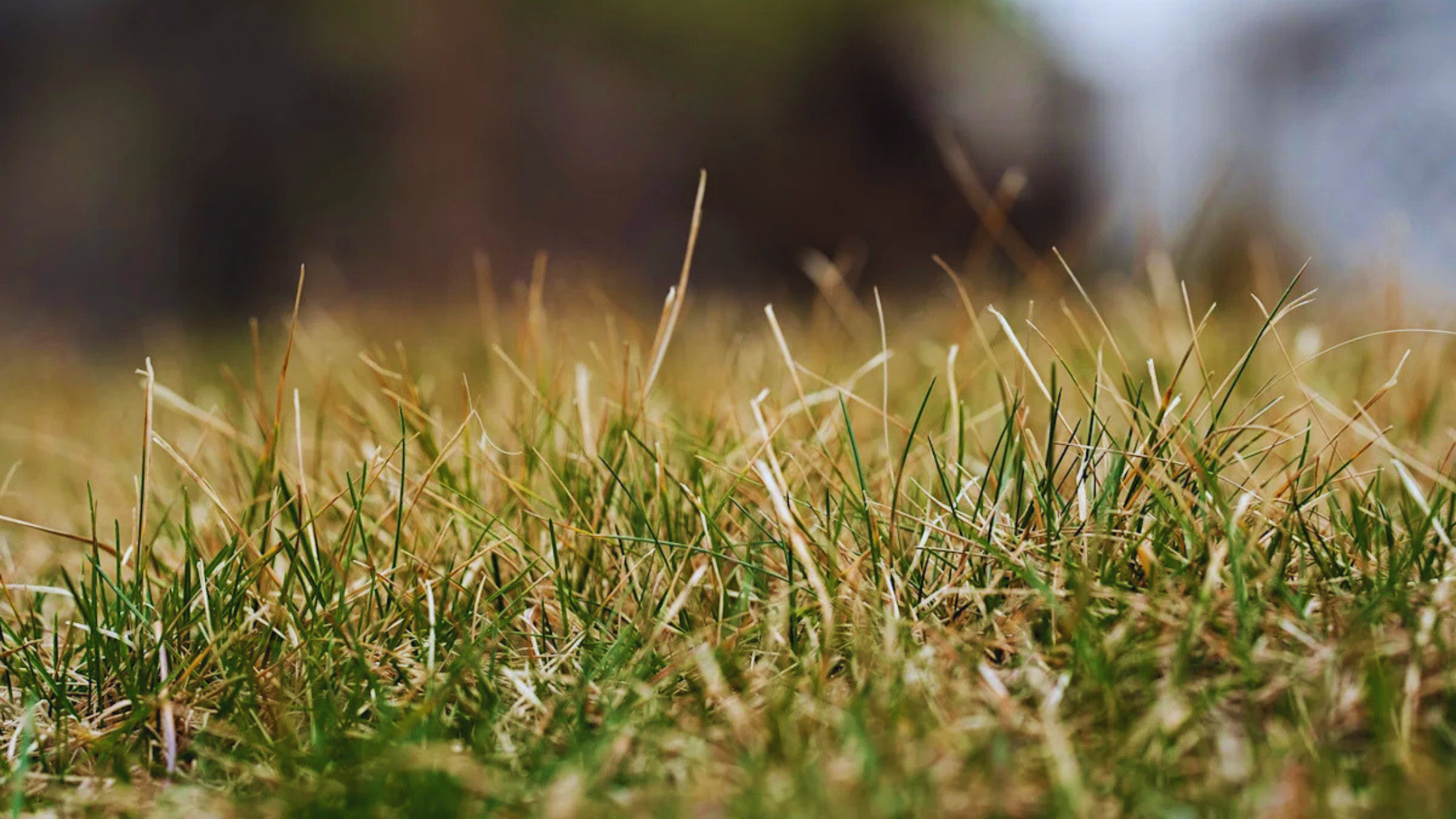
As much of New England continues to experience below-normal rainfall, when drought conditions combine with summer heat, cool-season lawns begin experiencing significant stress.
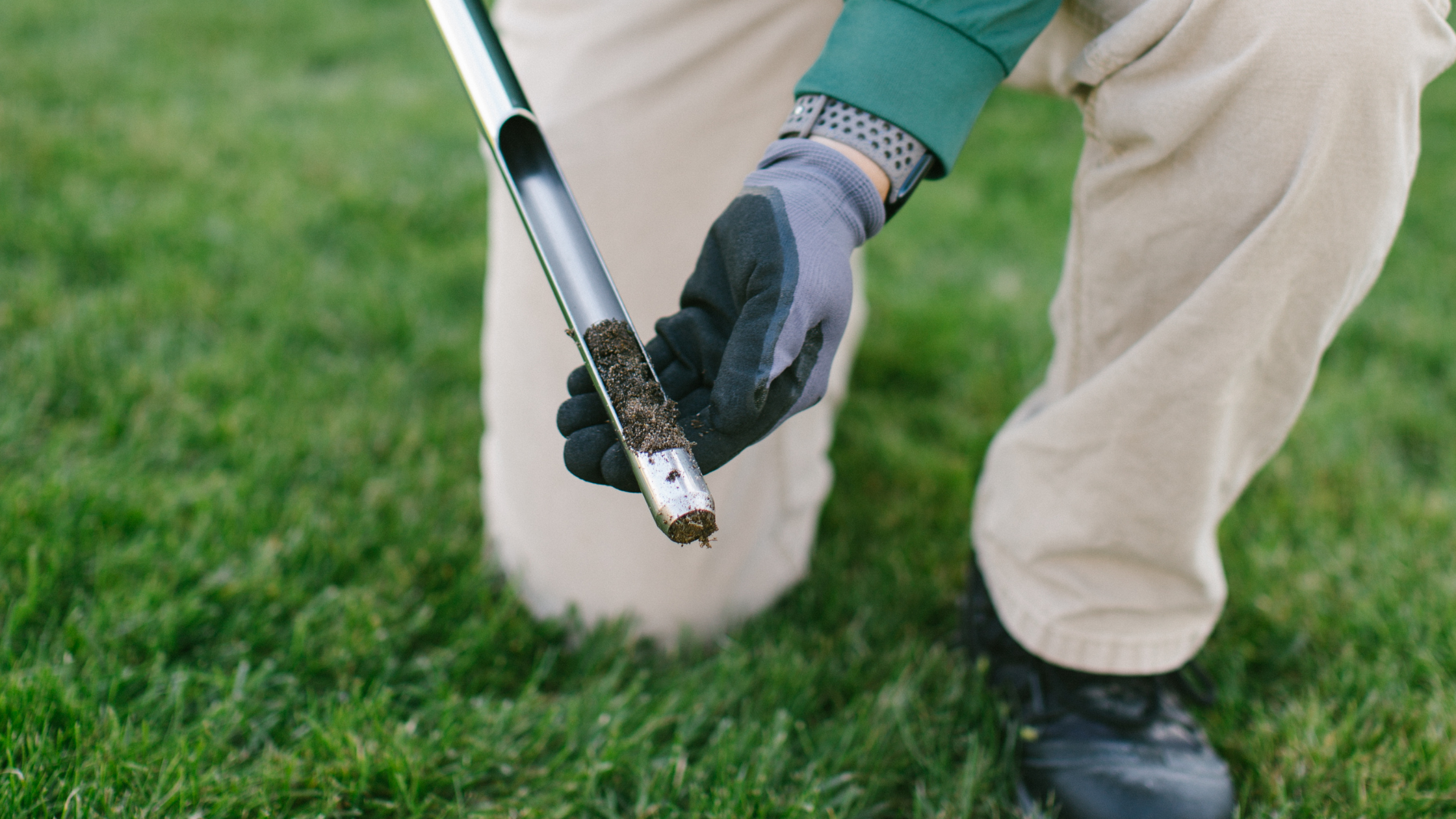
A lot of lawn care advice focuses on what you can see—green color, weeds, bare spots.
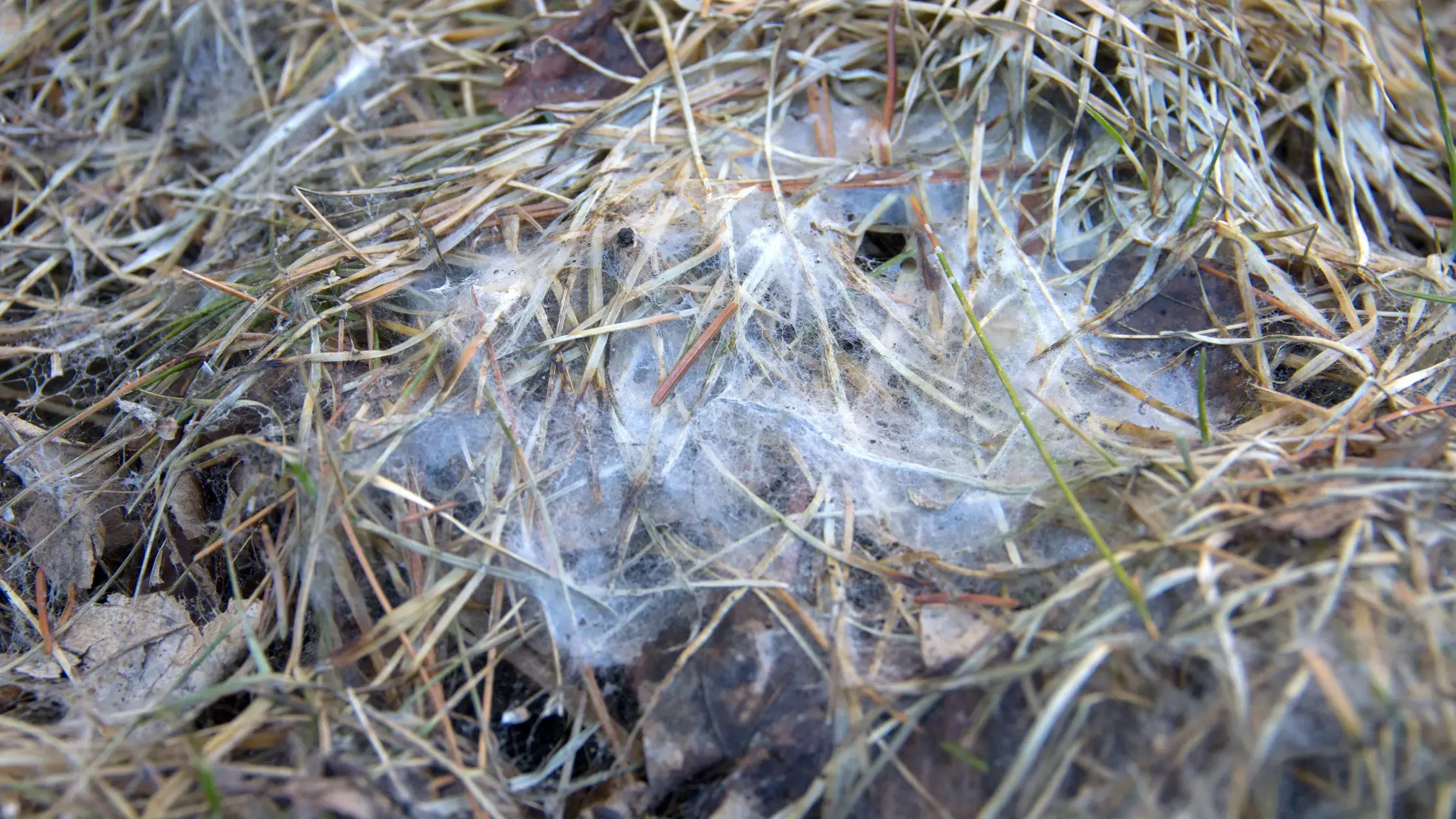
When the snow melts in early spring, many homeowners notice strange gray or pink patches on their lawn. It can look alarming,but in most cases, it’s a common lawn condition called snow mold.
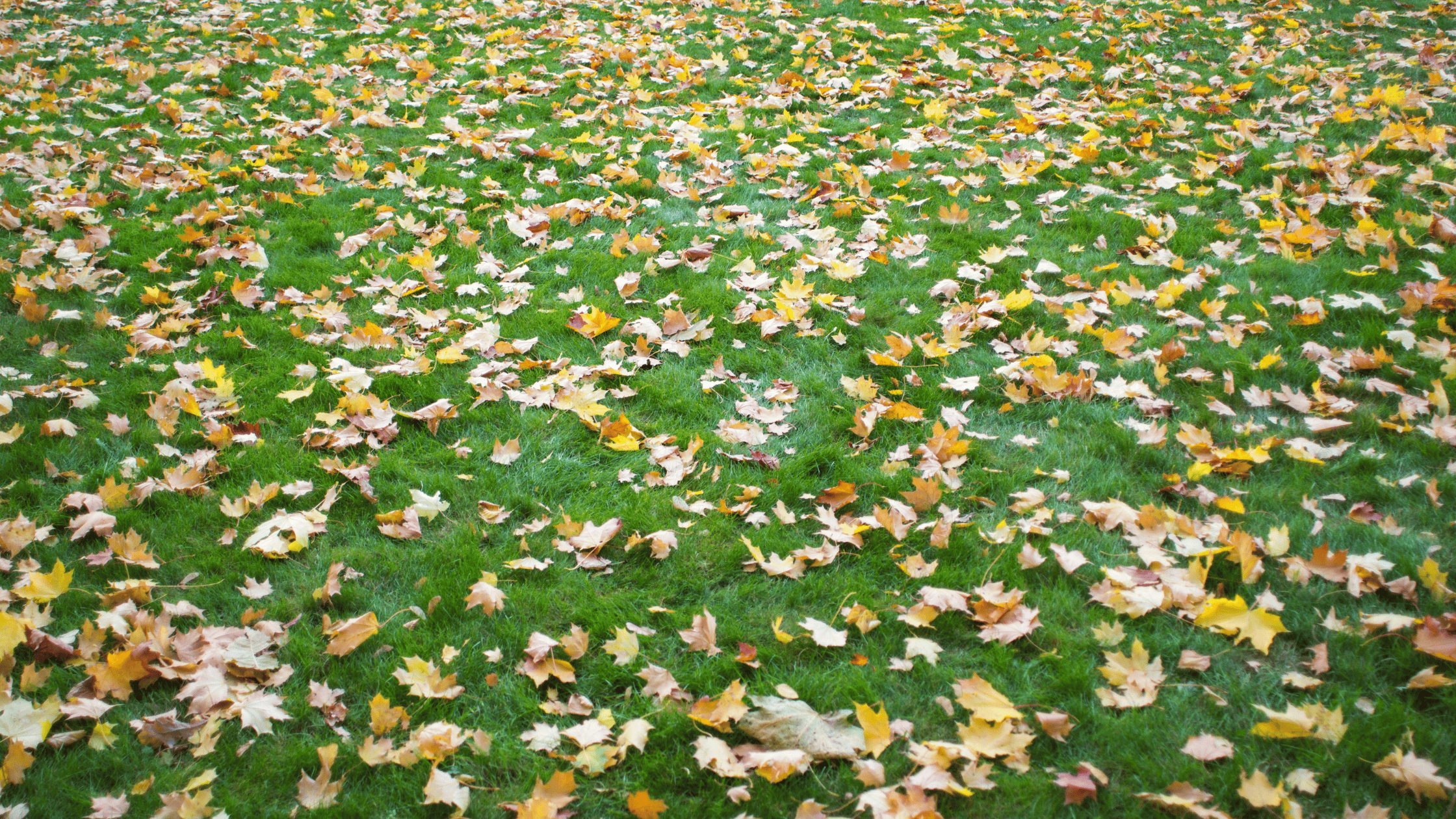
As the leaves start to fall and the days grow shorter, most homeowners think lawn care season is wrapping up. The mower goes into storage, hoses are drained, and attention shifts to snowblowers and...

When temperatures soar and rainfall disappears, your lawn feels the stress just like you do. Summer can be one of the toughest seasons for turfgrass—especially in New England, where weather patterns...
.png)
A healthy lawn starts below the surface. If you want grass that’s thicker, greener, and more resilient, aeration and overseeding is the secret – and fall is the best time to do it. In this guide,...
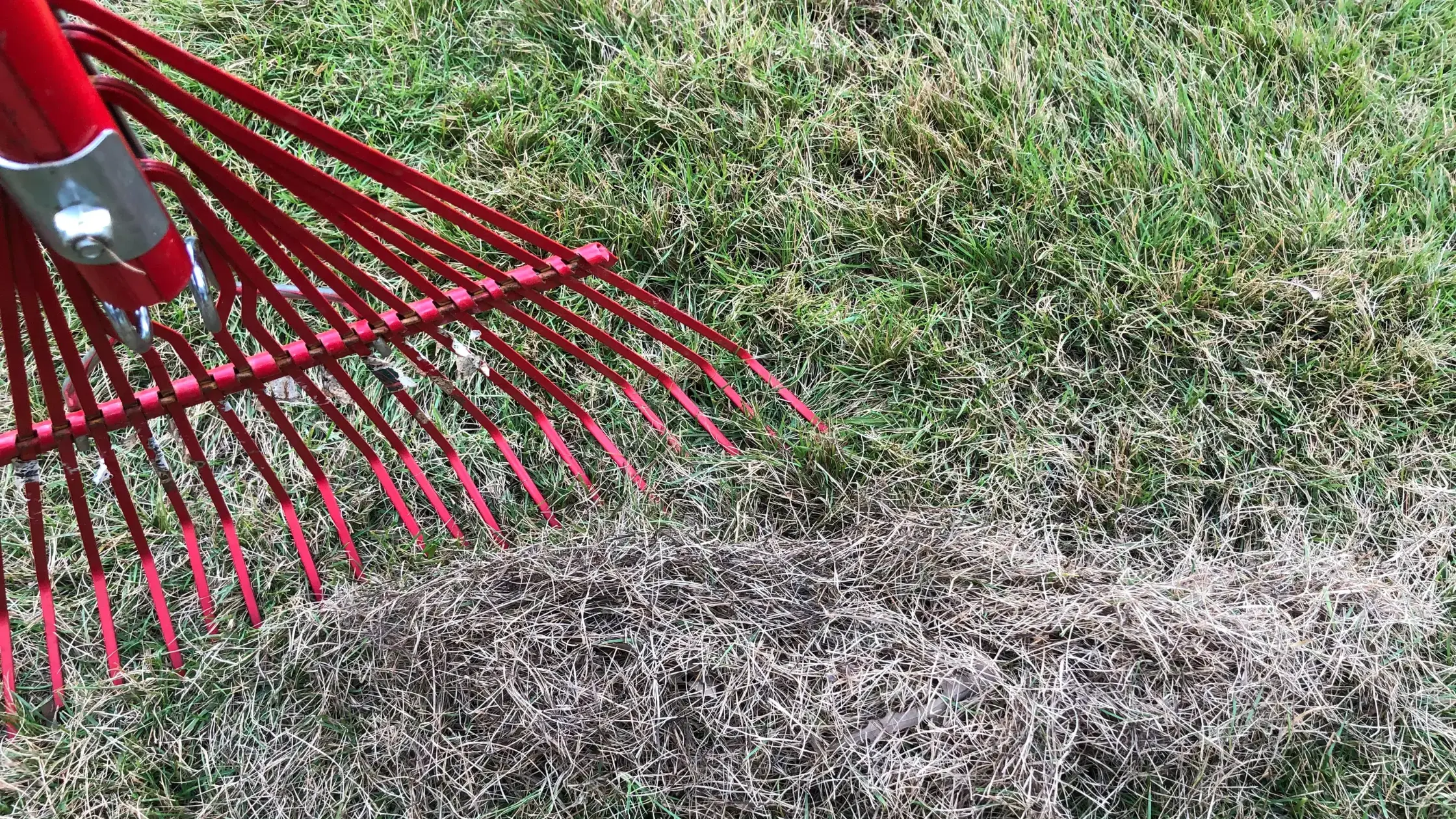
After a long New England winter, your lawn is ready to wake up—but it can always use a little help. A thoughtful spring clean up isn’t too extensive, but it sets the stage for healthier turf all...
Loading
End of content
No more pages to load