

A lot of lawn care advice focuses on what you can see—green color, weeds, bare spots.
But the real story of your lawn starts below the surface.
If you’ve ever fertilized, watered, and still felt like your lawn just isn’t responding the way it should, there’s a good chance the issue isn’t what you’re putting on your lawn—it’s what’s happening in your soil.
Let’s break down the basics of soil science—and what DIY lawn care often overlooks.
Your Lawn Is Only as Healthy as Your Soil
Grass doesn’t grow in a vacuum. It depends on the soil beneath it for:
- Nutrients
- Water retention
- Root development
- Overall resilience
You can apply all the fertilizer you want, but if your soil isn’t balanced, your lawn can’t fully use it.
That’s why two lawns on the same street—getting similar care—can look completely different.
The Problem With “One-Size-Fits-All” Lawn Care
Most DIY lawn products are designed for the average lawn.
The problem? There’s no such thing as an average lawn.
Your soil is unique based on:
- Location
- Soil type
- Past treatments
- Organic matter levels
- pH balance
Without understanding those factors, you’re essentially guessing—and hoping the results follow.
Sometimes they do. Often, they don’t.
Soil pH: The Hidden Gatekeeper
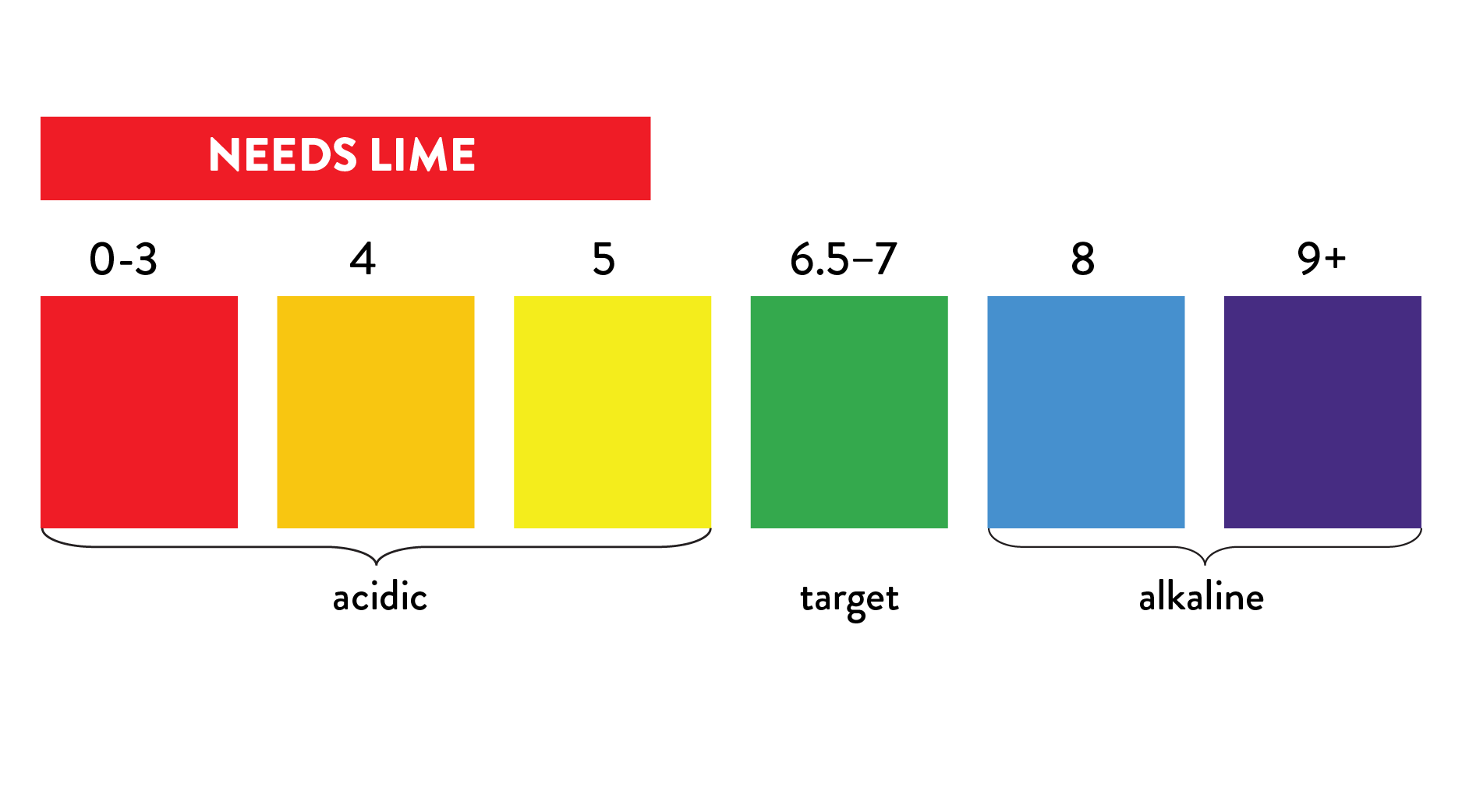
One of the most important (and most overlooked) factors in lawn health is soil pH.
pH affects how available nutrients are to your grass. Even if nutrients are present in the soil, the grass can’t absorb them properly if the pH is off.
For example:
- Soil that’s too acidic can limit nutrient uptake
- Soil that’s too alkaline can lock up key nutrients
In New England, many lawns naturally trend acidic, which can quietly hold back growth if it’s not addressed.
Nutrients: It’s Not Just About Nitrogen
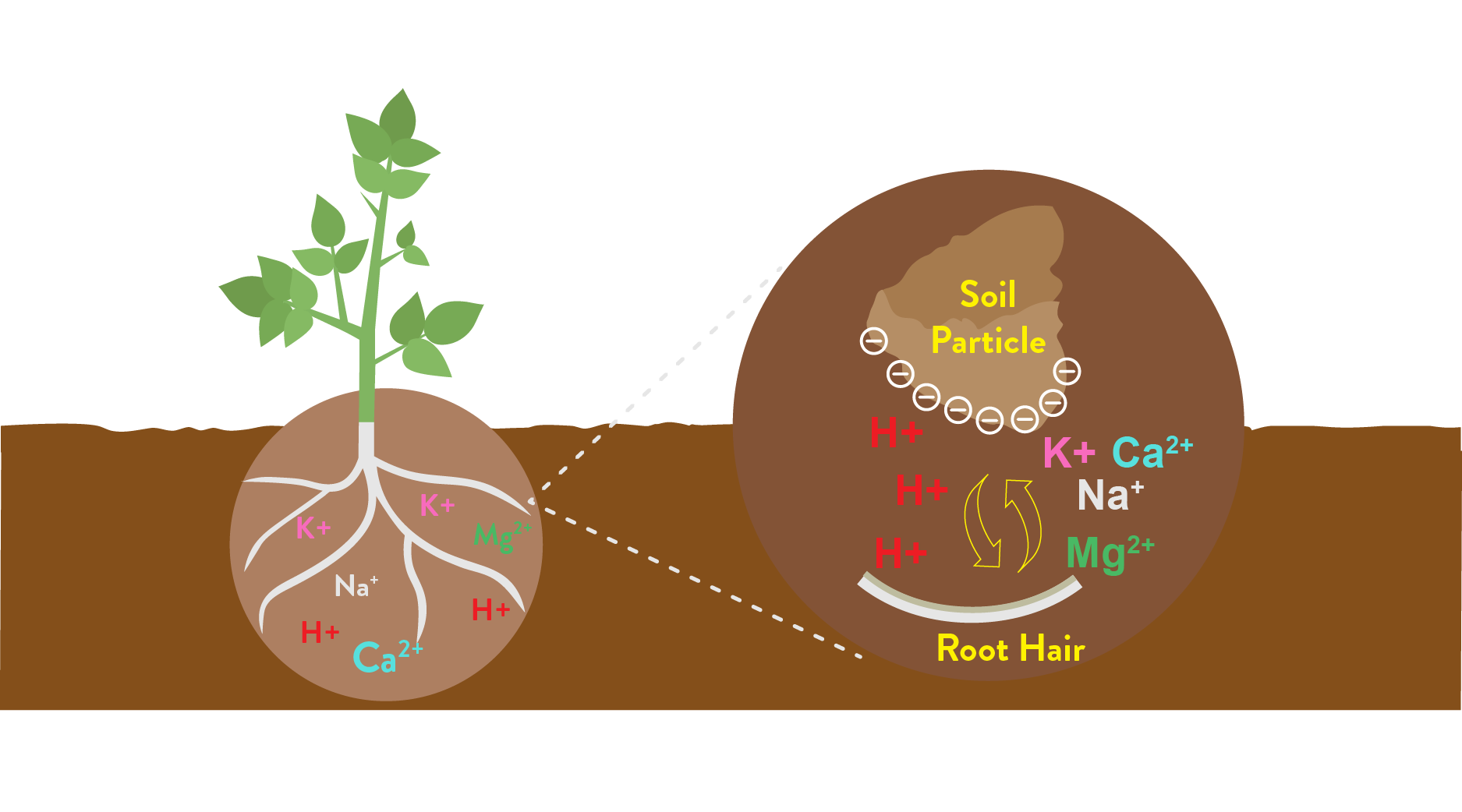
DIY lawn care often focuses heavily on nitrogen—and while it’s important for green color, it’s only part of the equation.
Healthy lawns rely on a balance of:
- Nitrogen (growth and color)
- Phosphorus (root development)
- Potassium (stress tolerance and durability)
Along with secondary nutrients and micronutrients that support overall plant health.
If one piece is missing—or out of balance—it can limit how well your lawn performs, no matter how much of another nutrient you apply.
Soil Structure and Compaction
Even with the right nutrients, your lawn can struggle if the soil itself isn’t in good shape.
Compacted soil:
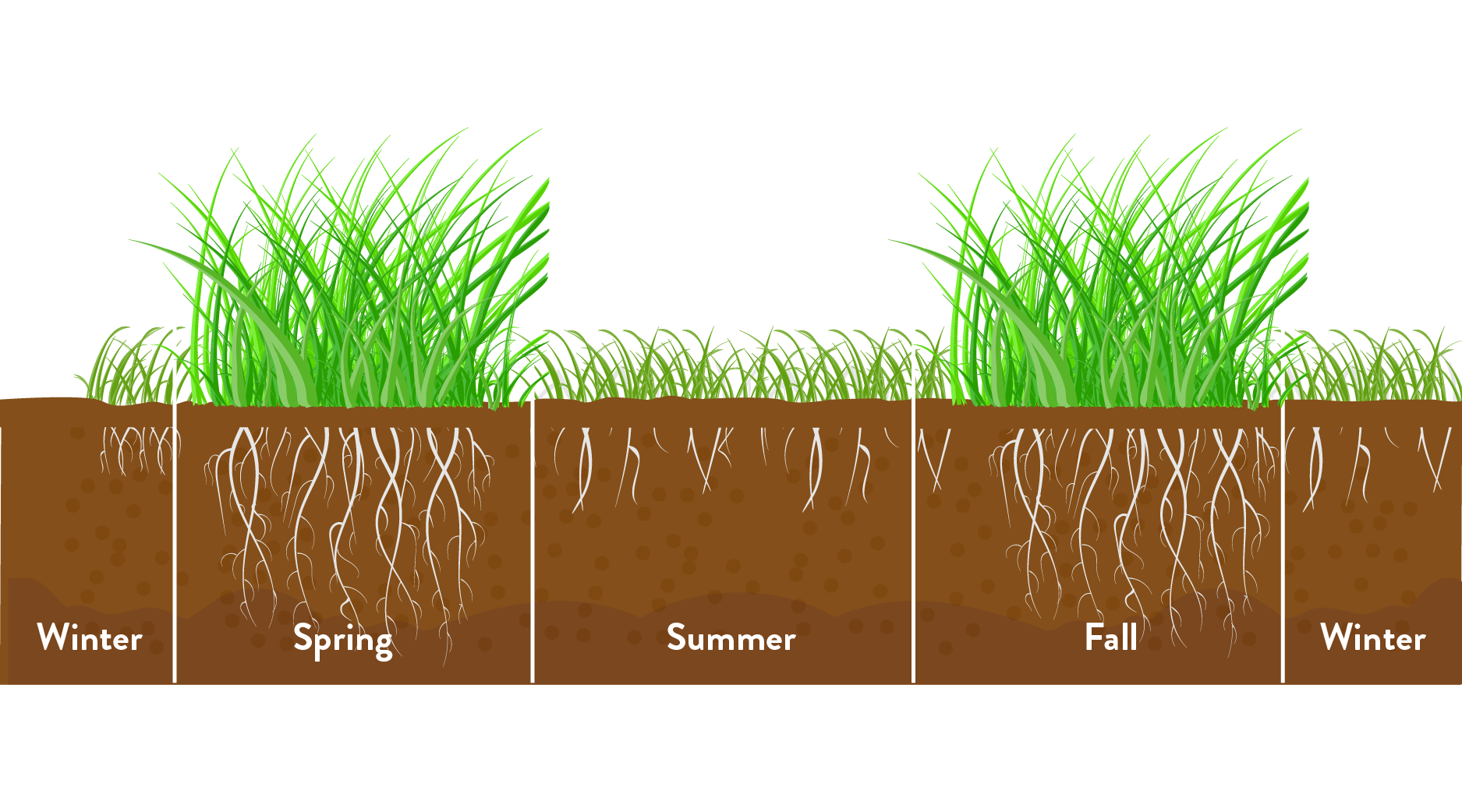
- Restricts root growth
- Limits water absorption
- Reduces oxygen in the soil
This makes it harder for grass to establish strong, healthy roots.
That’s where practices like aeration come in—helping loosen the soil and improve how air, water, and nutrients move through it.
Why Soil Testing Matters
This is where soil science becomes practical.
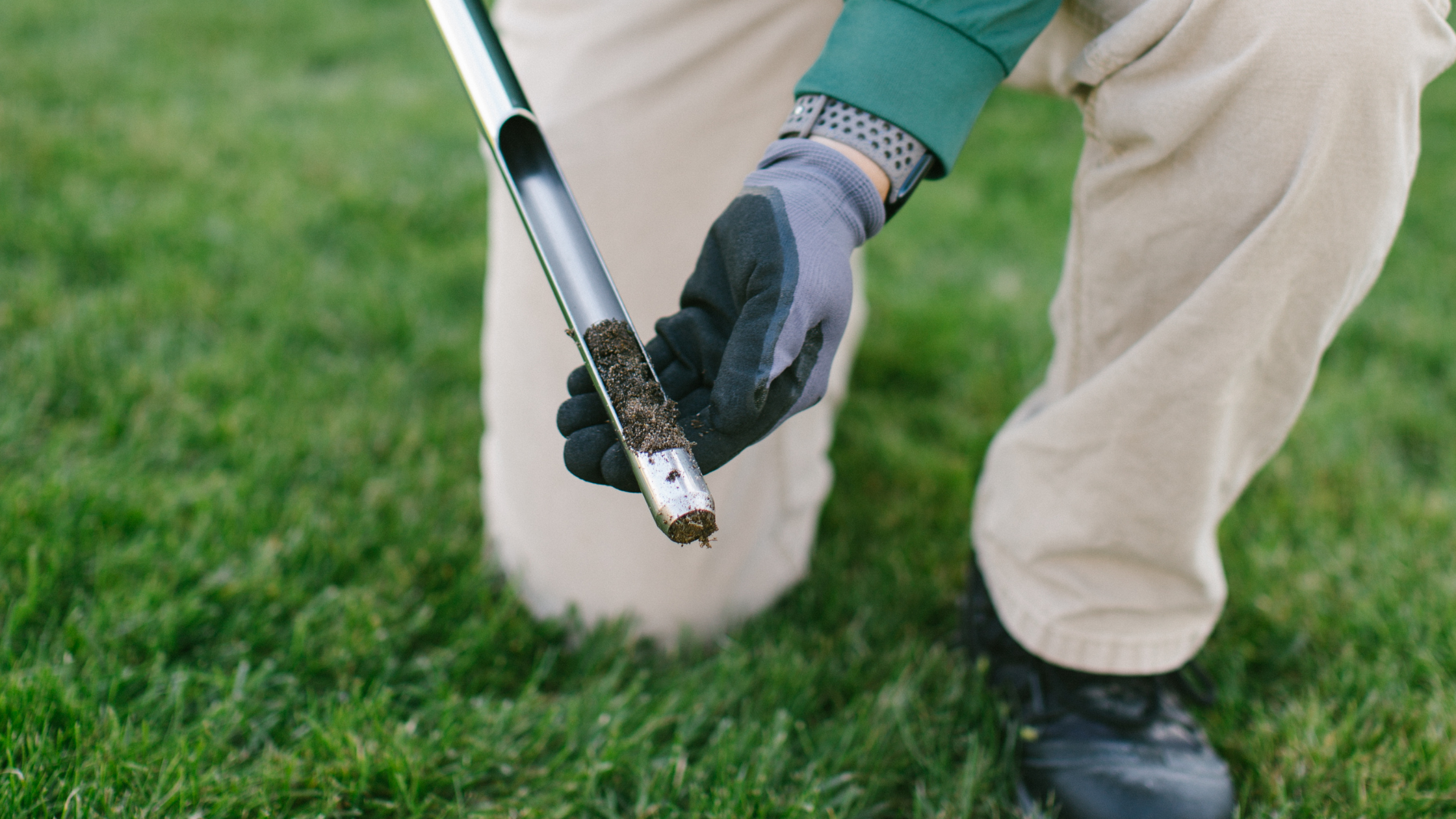
A soil test takes the guesswork out of lawn care by showing:
- pH levels
- Nutrient availability
- Organic matter content
- Overall soil health
Instead of applying products based on assumptions, you can make targeted adjustments based on what your lawn actually needs.
Think of it like a check-up for your lawn—giving you a clear picture before making decisions.
The Bottom Line
DIY lawn care can work—but it often misses what matters most: the condition of the soil.
Without understanding what’s happening below the surface, it’s easy to:
- Overapply products
- Miss underlying issues
- See inconsistent results year after year
When you focus on soil health first, everything else—color, thickness, resilience—starts to fall into place.
Because a better lawn doesn’t start with more product. It starts with better information.
