

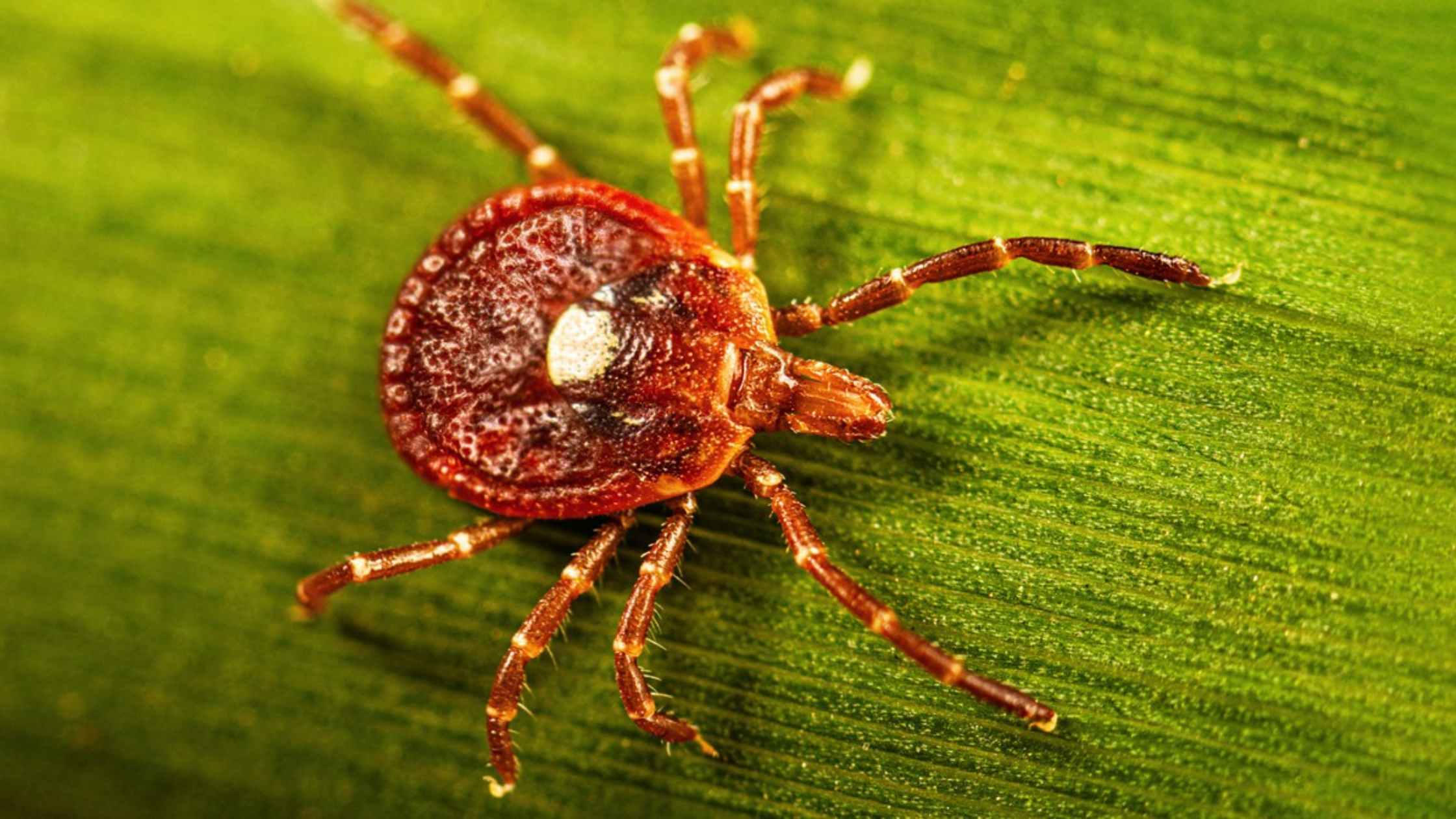
Most people know ticks can spread Lyme disease. Fewer realize that some tick bites can trigger an allergy to red meat.
Known as alpha-gal syndrome, this condition has received increasing attention over the past few years as cases have grown across the United States. While it remains relatively uncommon, it serves as another reminder that avoiding tick bites is always better than dealing with the consequences afterward.
The good news is that there are practical steps homeowners can take to reduce their risk.
What Is Alpha-Gal Syndrome?
Alpha-gal syndrome is an allergic reaction that can develop after being bitten by certain species of ticks, most notably the lone star tick. Unlike most food allergies, reactions often don't happen immediately. Symptoms can appear several hours after eating beef, pork, lamb, or other mammal-derived products.
Symptoms can range from mild hives and stomach discomfort to severe allergic reactions requiring emergency medical care.
Not every tick carries the risk, and not every bite leads to alpha-gal syndrome, but prevention remains the best defense.
Why This Matters in New England
Although lone star ticks were once considered a southern species, they're being found more frequently throughout the Northeast.
At the same time, blacklegged ticks continue to be widespread across New England, making tick prevention important regardless of which diseases or conditions happen to be making headlines.
The reality is simple: the fewer tick bites you receive, the lower your overall risk.
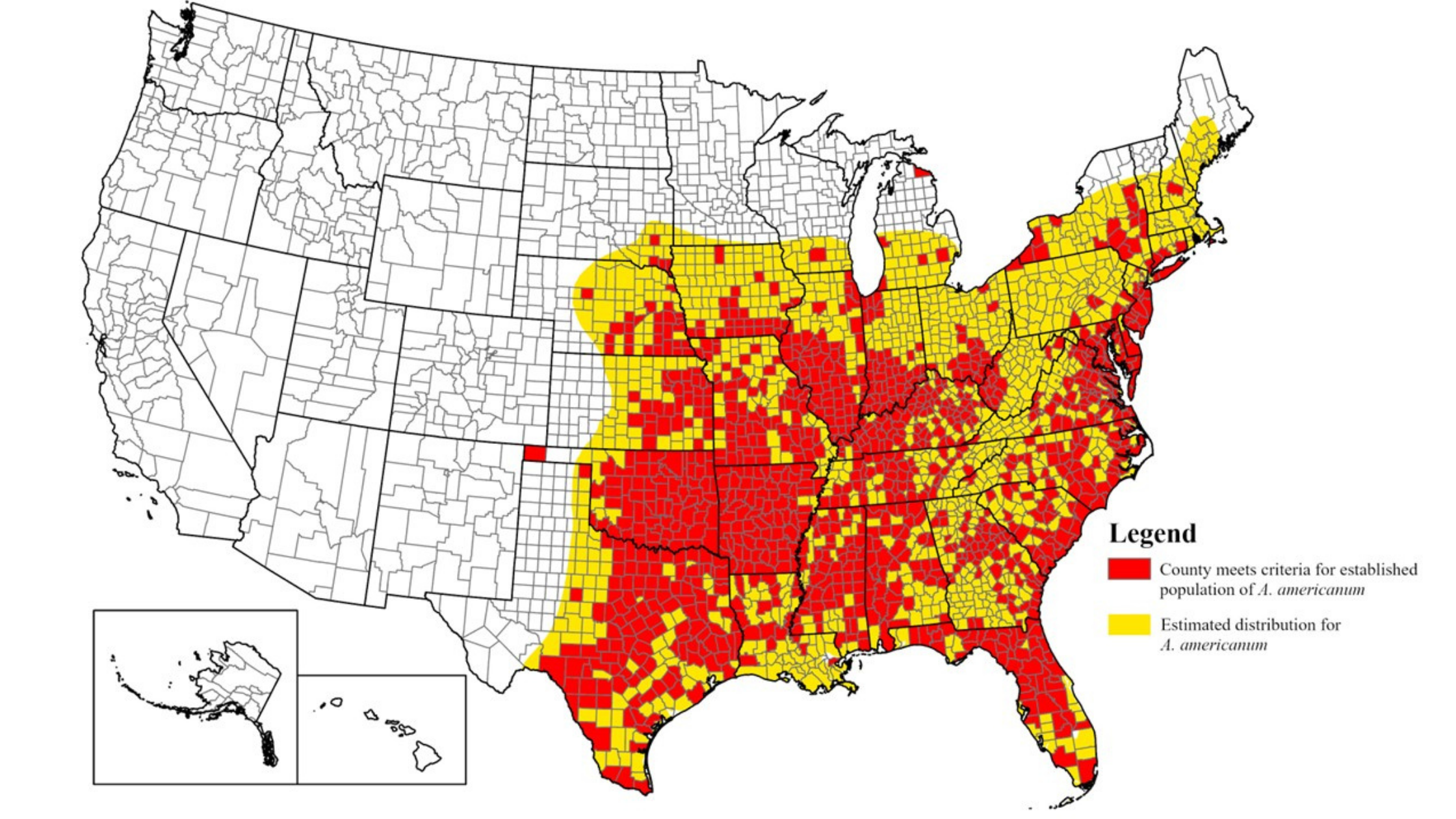
Estimated distribution of the lone star tick, per CDC.
Tick Season Isn't Over
Tick activity is closely tied to temperature, not the calendar. Adult ticks can remain active well into the fall anytime temperatures stay above freezing, which means September, October, and even November can still be active months.
Fall is also when many families spend more time outdoors hiking, doing yard work, watching sports, and enjoying cooler weather.
Five Ways to Reduce Your Risk
- When in the woods, stay on maintained trails whenever possible.
- Wear light-colored clothing so ticks are easier to spot.
- Perform a thorough tick check after spending time outdoors.
- Keep leaf litter and brush away from frequently used areas.
- Reduce tick habitat around your property with professional tick control treatments.
Professional Protection Can Make a Difference
No treatment can eliminate every tick, but reducing tick populations around your home can greatly lower the likelihood of encounters.
At Mainely Grass, our Tick Control Program targets the areas where ticks are most likely to live, including wooded edges, ornamental beds, and transition zones around your property.
Combined with good personal habits, it's one more layer of protection for your family and pets.
